Listed building consent explained
What listed building consent is, when you need it and how to get it. A plain guide for owners planning work on a listed property in England.
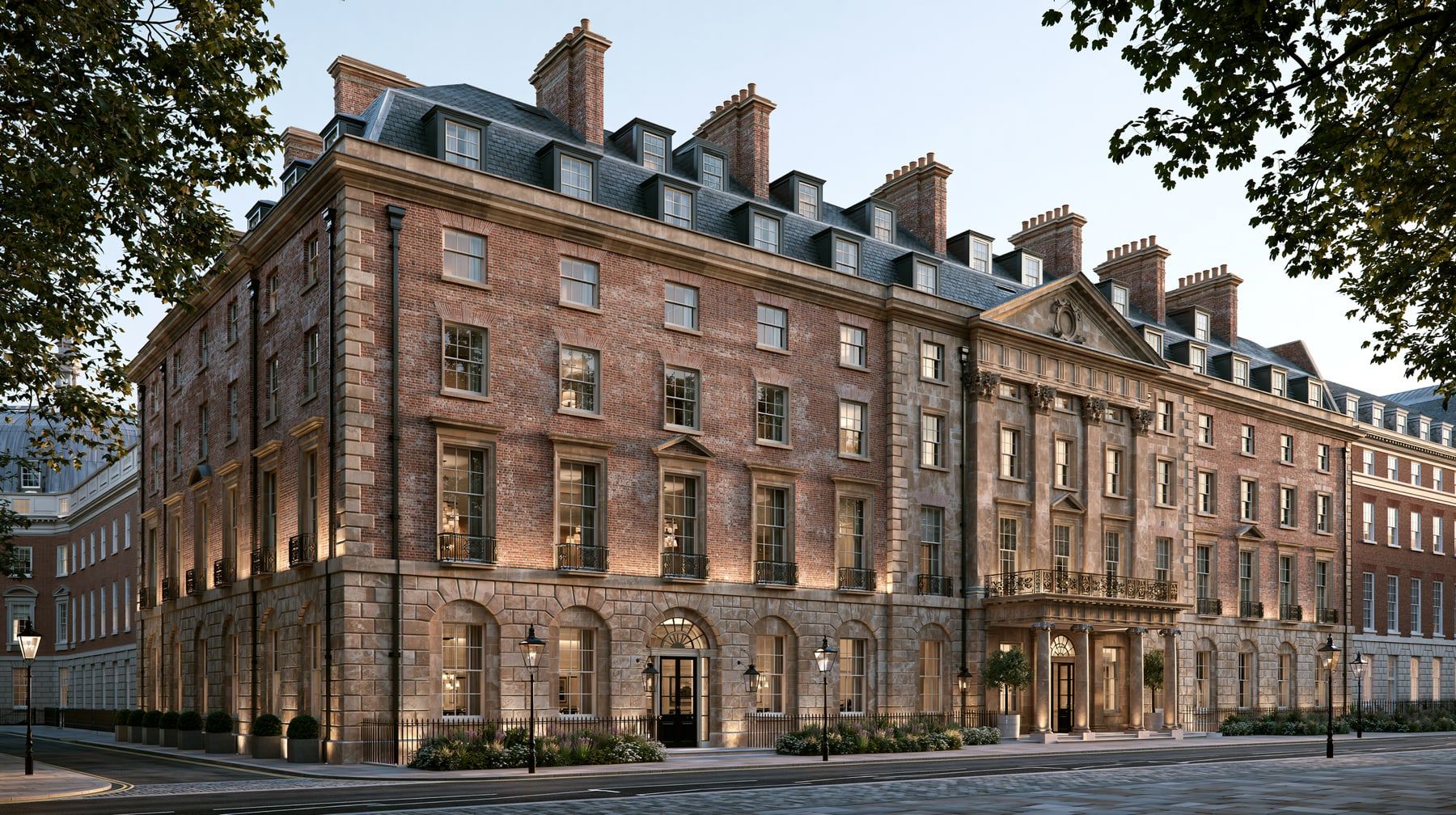
A listing brings a legal duty that reaches further than many owners expect. Work that would be routine on an ordinary house can need formal consent, and carrying it out without consent is a criminal offence rather than a planning technicality. This guide sets out what listed building consent covers and how to approach it.
What “listed” actually means
A listing protects the whole building, not just its front elevation. That covers the interior, later additions, and often fixtures such as staircases, panelling and fireplaces. It can also extend to other structures within the curtilage, including outbuildings, walls and railings, that were there before mid-1948.
In England, buildings are graded I, II* and II. Grade I is for buildings of exceptional interest, Grade II* for particularly important ones, and Grade II, the overwhelming majority, for buildings of special interest. The grade affects who has to be consulted about proposed changes, but it does not change the basic rule. Alterations that affect the building’s special interest need consent whatever the grade.
The framework is the Planning (Listed Buildings and Conservation Areas) Act 1990, and a few of its provisions are worth knowing. Section 7 is what requires consent for works of demolition, alteration or extension that affect special interest. Section 16 places a duty on the authority to have special regard to preserving the building and its setting when it decides a consent application, and section 66 applies the same duty where planning permission is involved. That is why a scheme which shows it has genuinely understood the building tends to travel further than one that simply asserts its own merits.
When you need consent
You need listed building consent for works of demolition, alteration or extension that would affect the character of the building as one of special architectural or historic interest. The test is deliberately broad, and it is where owners most often get tripped up.
Replacing windows, removing internal walls, re-roofing in a different material, changing a shopfront, installing new services, even stripping out a later kitchenette can all require consent. Repairs on a like-for-like basis usually do not. The line between a repair and an alteration is not always obvious, though, so it is worth getting a view before the work starts rather than after.
How listing differs from a conservation area
These two things get conflated all the time. A conservation area protects the character of a place rather than an individual building. Inside one, permitted development rights are usually restricted and there are controls over demolition and over works to trees, but ordinary internal alterations are not caught.
Listing is specific to the building, and it reaches inside it. A property can be listed, sit in a conservation area, be both, or be neither, and the consents you need differ in each case. If you are not certain which applies to you, the local planning authority holds the definitive record, and Historic England’s National Heritage List is searchable online.
Consent is not planning permission
Listed building consent and planning permission are two separate approvals. A project can need one, the other, or both. Internal alterations to a listed building often need consent but not planning permission, whereas an extension may need both. There is no fee for a listed building consent application, which sometimes surprises people, but the absence of a fee does not make it a formality.
If you are not sure whether you need consent
There is a formal route out of the grey area between a repair and an alteration. A certificate of lawfulness of proposed works lets you ask the authority to confirm in writing that a specific proposal does not need listed building consent. It was introduced by the Enterprise and Regulatory Reform Act 2013 and remains underused.
On anything contentious, it is worth the trouble. An informal email from a busy officer is not a defence if the view later changes or the officer moves on, whereas a certificate is. Where a contractor is about to start stripping out, it is a cheap way to take an argument out of the programme before it can cost you time.
What an application involves
The application goes to the local planning authority, where the conservation officer is the key figure. A good application does most of the officer’s thinking for them. At its centre is a heritage statement, a document that explains what is significant about the building, what you propose to do, what impact that has on its significance, and how you have minimised harm.
For more significant cases, such as anything affecting a Grade I or II* building or involving demolition, Historic England and the national amenity societies may also be consulted. The societies are organised by period, and they include the Society for the Protection of Ancient Buildings, the Georgian Group, the Victorian Society, the Twentieth Century Society, Historic Buildings and Places (formerly the Ancient Monuments Society) and the Council for British Archaeology. Each has a statutory right to be notified of applications involving demolition, and each can object.
The statutory determination period is eight weeks, though complex cases run longer. A scheme that arrives without a heritage statement, or with obvious conflicts in it, will not move quickly.
Consent, when it comes, usually arrives with conditions attached. Expect to have materials and mortar mixes approved before work starts, to build sample panels for approval on repointing or stonework, and on more significant buildings to carry out a programme of recording before anything is removed. Those conditions have real programme implications. They are far easier to absorb if they were anticipated at tender than if they land on a contractor who is already on site.
If consent is refused, there is a right of appeal to the Planning Inspectorate, and you have six months to lodge it. Appeals are slow, and a refused application usually says more about the design than about the process.
The risk of getting it wrong
Carrying out unauthorised works to a listed building is a criminal offence. An authority can issue a temporary stop notice to halt the works at once. Enforcement can then require you to reverse them and reinstate what was there, at your own cost, and there is no time limit on enforcement in the way there is for ordinary planning breaches. The financial and programme risk of guessing wrong is far larger than the cost of asking first.
Two practical points that catch owners out
There is no VAT relief for being listed. This misunderstanding has outlived the rule that created it. Approved alterations to listed buildings were once zero-rated, that ended in 2012, and work on a listed dwelling is now standard-rated like any other. The belief that listing carries a tax break is still in wide circulation, and it is worth correcting before it finds its way into an appraisal.
There are reliefs, but they turn on what you are doing rather than on the building being listed. The reduced 5% rate can apply where a dwelling has stood empty for two years or more, and where a conversion changes the number of dwellings in a property. Both are worth checking with an accountant on any residential scheme, listed or not.
Building regulations still apply, but with room to move. A listed building is not exempt from the building regulations. What the guidance does allow is a proportionate approach where full compliance would unacceptably alter the character of the building, and that comes up most often on thermal upgrades. The flexibility has to be argued and evidenced rather than assumed, and it is much easier to argue with a conservation officer and a building control body who were both brought in early.
Giving a scheme the best chance
A few things make the real difference. Engage the conservation officer early, ideally through pre-application advice, so that any surprises surface before the design is fixed. Work with the significance of the building rather than against it, because schemes that do this tend to be consented faster. And keep the documentation straight, since a clear heritage statement does much of the persuading for you.
Handled properly, consent is far less of an obstacle than most owners expect. It is the mechanism by which a protected building gets to change and still be standing in fifty years.