Turning three buildings in Earls Court into a 70 key aparthotel
A £2m soft refurbishment turning three adjoining Earls Court buildings into a trading 70 key aparthotel in six months, with FF&E, systems and staffing included.
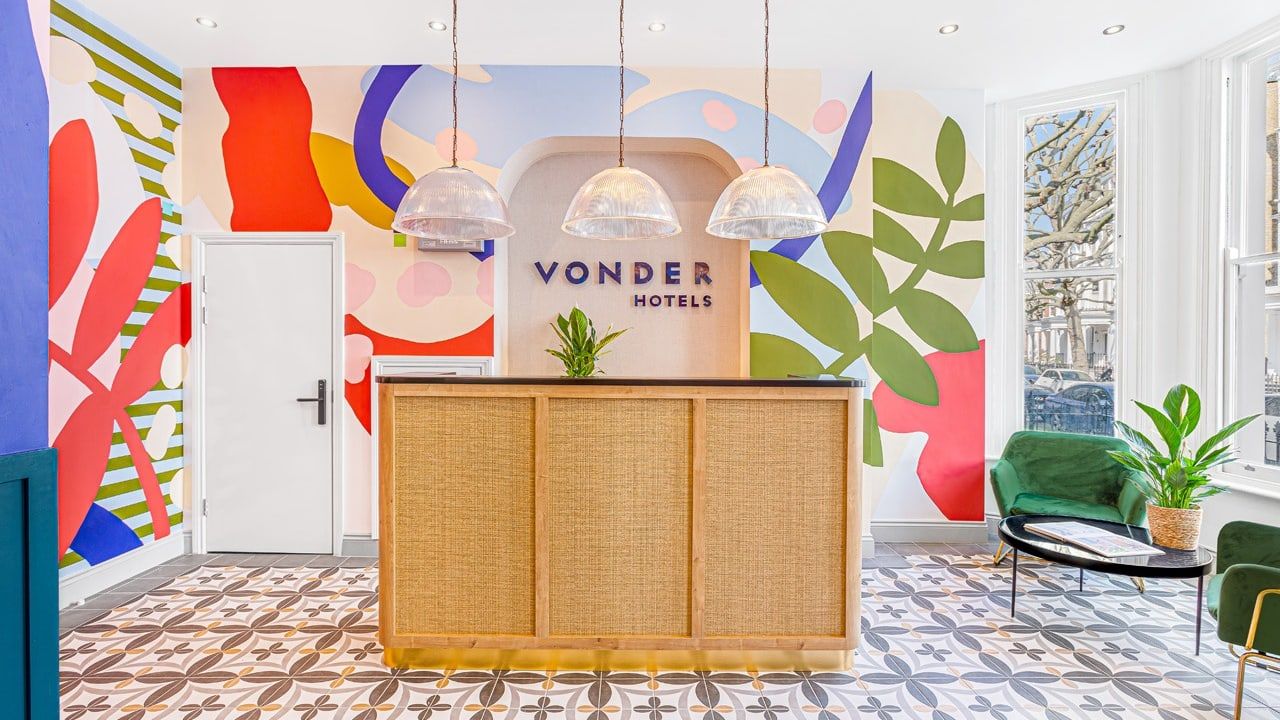
Three adjoining buildings in Earls Court, seventy rooms, around £2m for a soft refurbishment, and six months to open as an aparthotel taking bookings.
It is never only a building job. Alongside the refurbishment, the operation has to be set up, the systems and payments, the staffing, and the procedures for running the place, so that it is ready to trade on opening day.
It is a good project to pull apart, because the building work was only part of it.
What a soft refurbishment involves
A soft refurbishment means finishes, furniture and light making-good rather than moving walls.
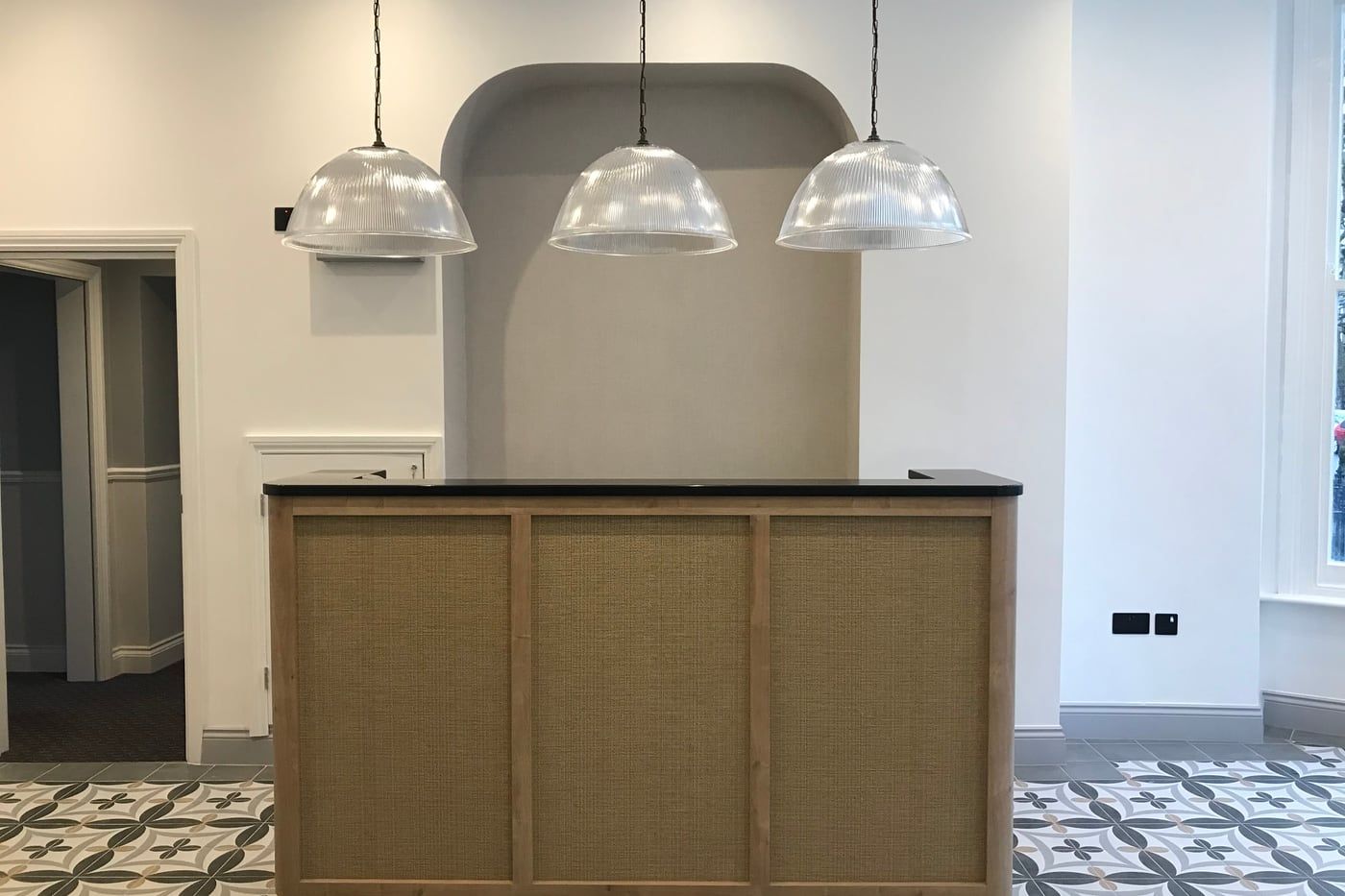
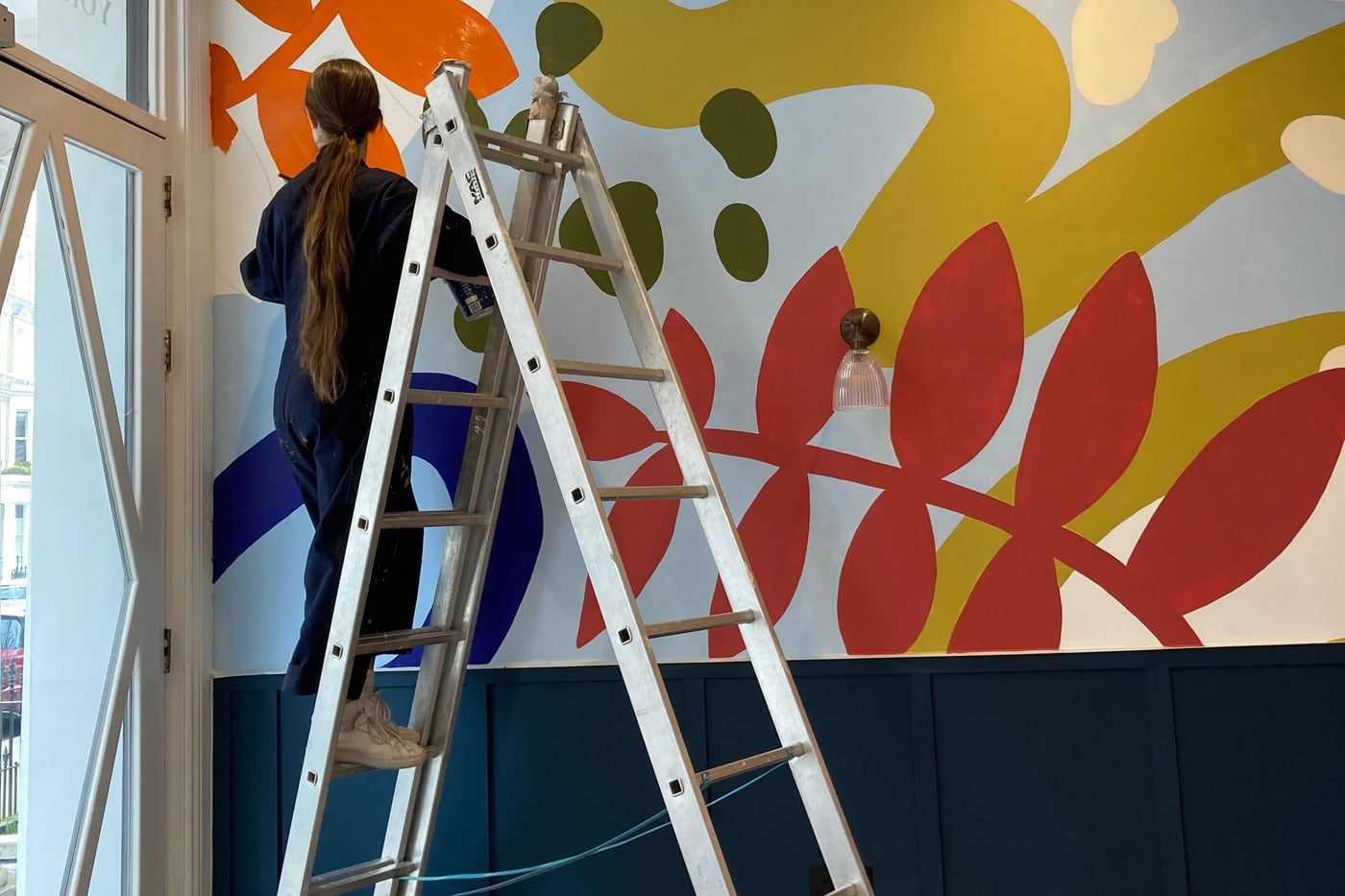
Three buildings make it harder. A bedroom on the second floor of one is nothing like the room next door in another. The risers sit in different places, the ceiling heights vary, and the door sets do not match. A programme that assumes seventy identical rooms will not hold up, so it makes sense to plan the work building by building and floor by floor, and to let the room types vary where the buildings require it.
A kitchenette in every room
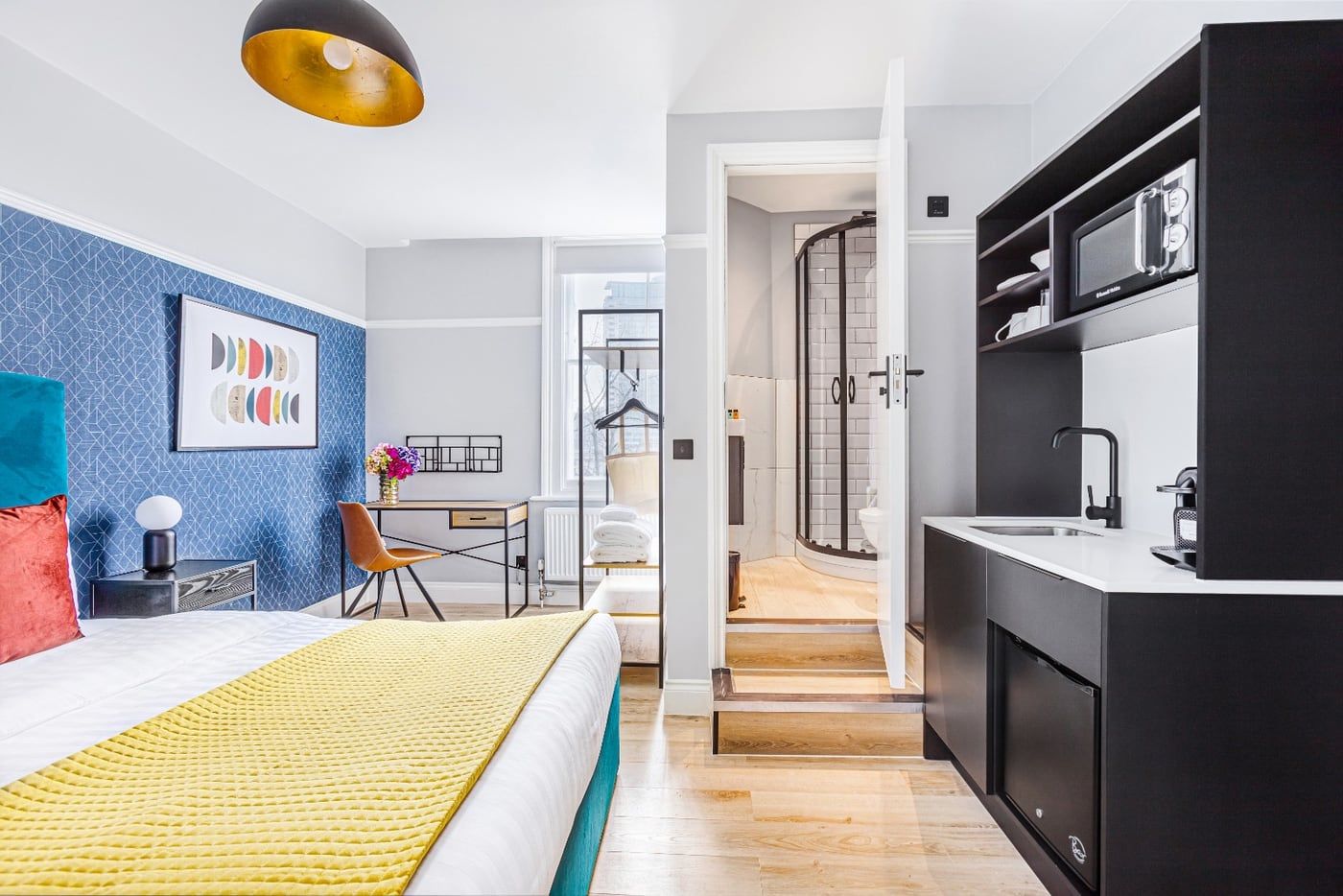
Every bedroom has a kitchenette, and that is what lets one unit work for a two-night business guest and a two-month resident alike. Each one fits a fridge, a sink, a microwave and a run of worktop into a small footprint. Fitting seventy of them out to a consistent standard across three buildings is a job in its own right.
Two guests under one roof
The model has to suit two very different guests. Some book for a few nights, others stay for months, students among them. They want different things and they behave differently. The short-stay guest wants a quick, clean, hotel-style arrival. The long-stay resident wants somewhere to put a fortnight’s shopping, do the washing, and be left alone.
The building has to look after both without either feeling short-changed. That shapes the storage, the laundry, how hard-wearing the finishes need to be, and how the common areas get used. It shapes the systems too. A property selling both nightly rooms and multi-month stays asks more of its technology than a straightforward hotel does.
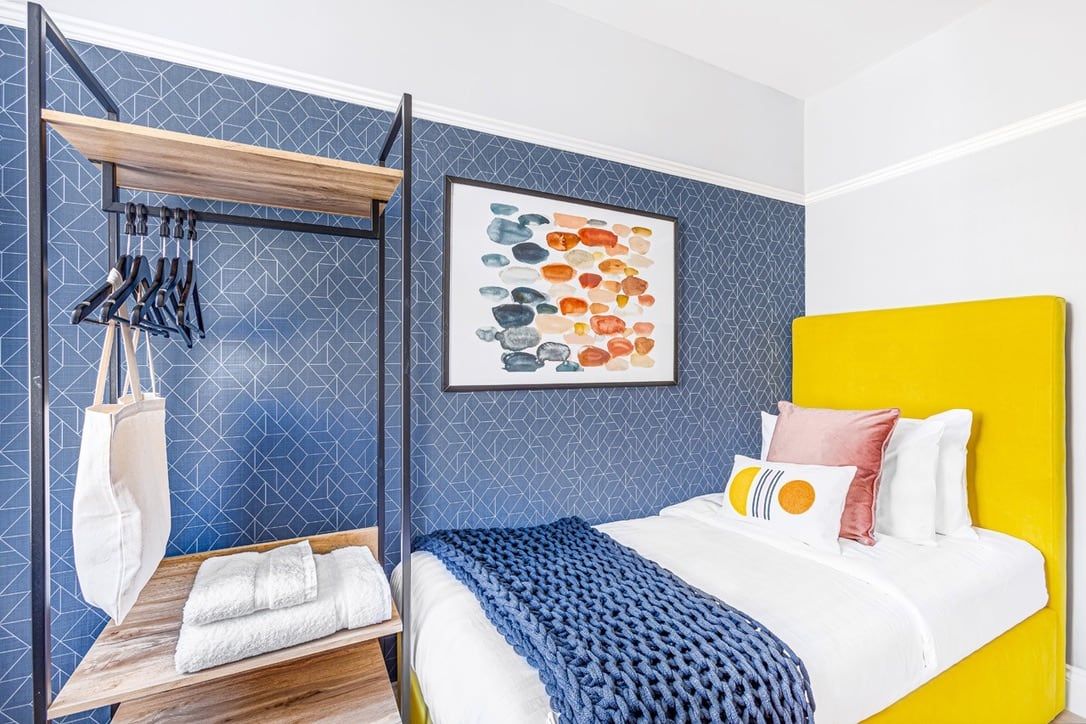
FF&E and snagging
Getting the furniture in across three buildings, then snagging through to close-out, is where a lot of the effort before opening goes. Seventy rooms generate a long snag list, though most of it is the routine cosmetic work that comes with any fresh fit-out. What matters is working through it steadily, room by room, clearing items as they come rather than letting them build up.
With three buildings, limited storage and a short delivery window, the furniture deliveries have to be planned into the programme, not left to the end.
Turning a building into a business
A refurbished building only becomes a hotel once you can sell it, take money, staff it, and document how it runs. All of it has to happen alongside the site works, not after them.
- Systems. We used Cloudbeds as the property management system. It supports the mixed short-stay and long-stay model, distributes availability across the booking channels reliably, and can be operated without a large in-house technology team. Selecting the system is the straightforward part. The work lies in configuring it, setting up the room types, rate plans, policies, housekeeping and reporting.
- Payments. The right payment provider depends on the actual mix of transactions, not the headline rate. Short stays and long stays are paid for in very different ways, so the setup has to suit both.
- Finance. Reporting set up so the operator can see how the hotel is doing from the first week of trading, with the operating budgets behind it.
- People. A team hired and in place for opening.
- Procedure. Standard operating procedures for the front desk, housekeeping, maintenance and escalation, so that day-to-day running does not depend on the knowledge of the people who open it.
- Rates. A rate structure is loaded before opening, then adjusted against occupancy through the first weeks of trading. The rate a property opens at tends to become the rate the market expects, so it is worth getting right early.
Six months to a working hotel
This job ran to about six months from the outset to trading, at close to £2m for the soft refurbishment. Done properly, the building opened as a working business, with the operation already up and running.
The building work is the part you see. A lot of what makes opening day work happens away from it, plenty of that while the site is still full of dust.
If you are weighing up a scheme like this, what to get right before opening serviced apartments sets out the decisions worth settling before you commit.